Our services
Period & Listed Renovation
Period and listed building renovation brings an older home up to date without losing what makes it valuable, and secures the consents a protected building needs before work starts. MVV carries out listed-building and period-property work across South West, West and South East London, holding the survey, the approvals, the design and the build under one accountable team.

What counts as a period or listed home?
A period home is simply an older one, and in London that usually means a Georgian, Victorian or Edwardian house, or a flat converted from one. A listed building is one on the national list of buildings of special architectural or historic interest, graded I, II* or II, and the protection normally covers the whole building, inside and out, not just the front elevation. Much of period London also sits within conservation areas, which protect the character of whole streets rather than single buildings. A house can be all three at once, and each status changes what can be done and how it must be approved.
Do I need listed building consent?
If your home is listed, yes, for any work that affects its character, and that includes internal work such as removing walls, altering joinery or fireplaces or changing original plasterwork. Listed building consent is separate from planning permission, so a project can need one, the other or both. Carrying out work that needed consent without it is a criminal offence, and the council can require it to be put right by whoever owns the house at the time, which is why the consent history is worth checking when you buy as well as when you build. We establish what applies to your address before design work starts, and we manage the applications for you.
Conservation areas and permitted development
Conservation area status does not stop you improving your home. It sets a higher bar for how work is designed and detailed, especially anything visible from the street: windows, front elevations, rooflines and materials. It also removes some permitted development rights. In a conservation area, roof extensions are not permitted development at all, so a dormer always needs a planning application, and side extensions, side returns included, always need permission. Some councils go further with Article 4 directions, which bring smaller changes such as replacement windows or front doors under planning control. None of this decides whether you can extend or convert. It decides the route and the programme.
Can you restore original features?
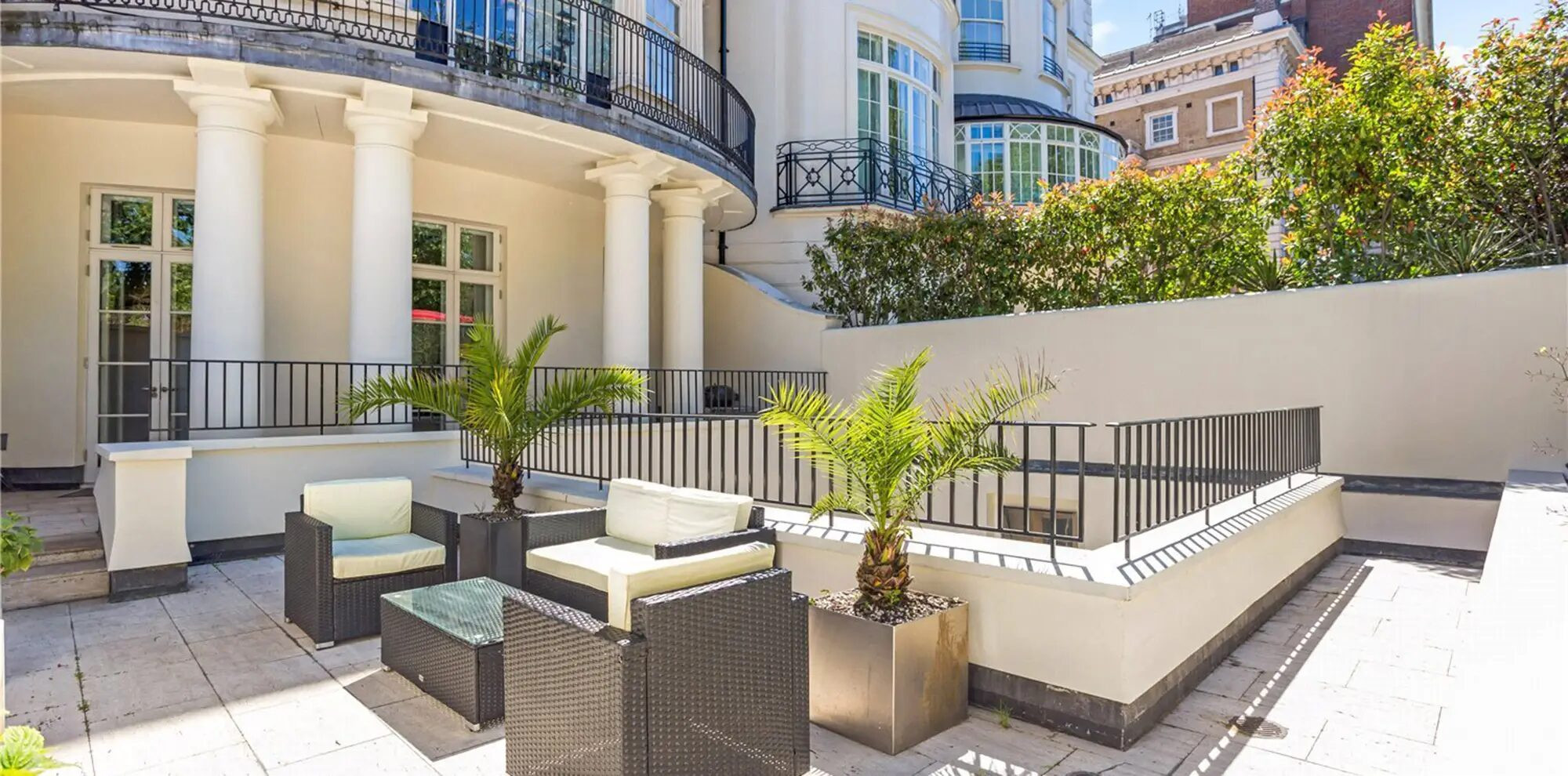
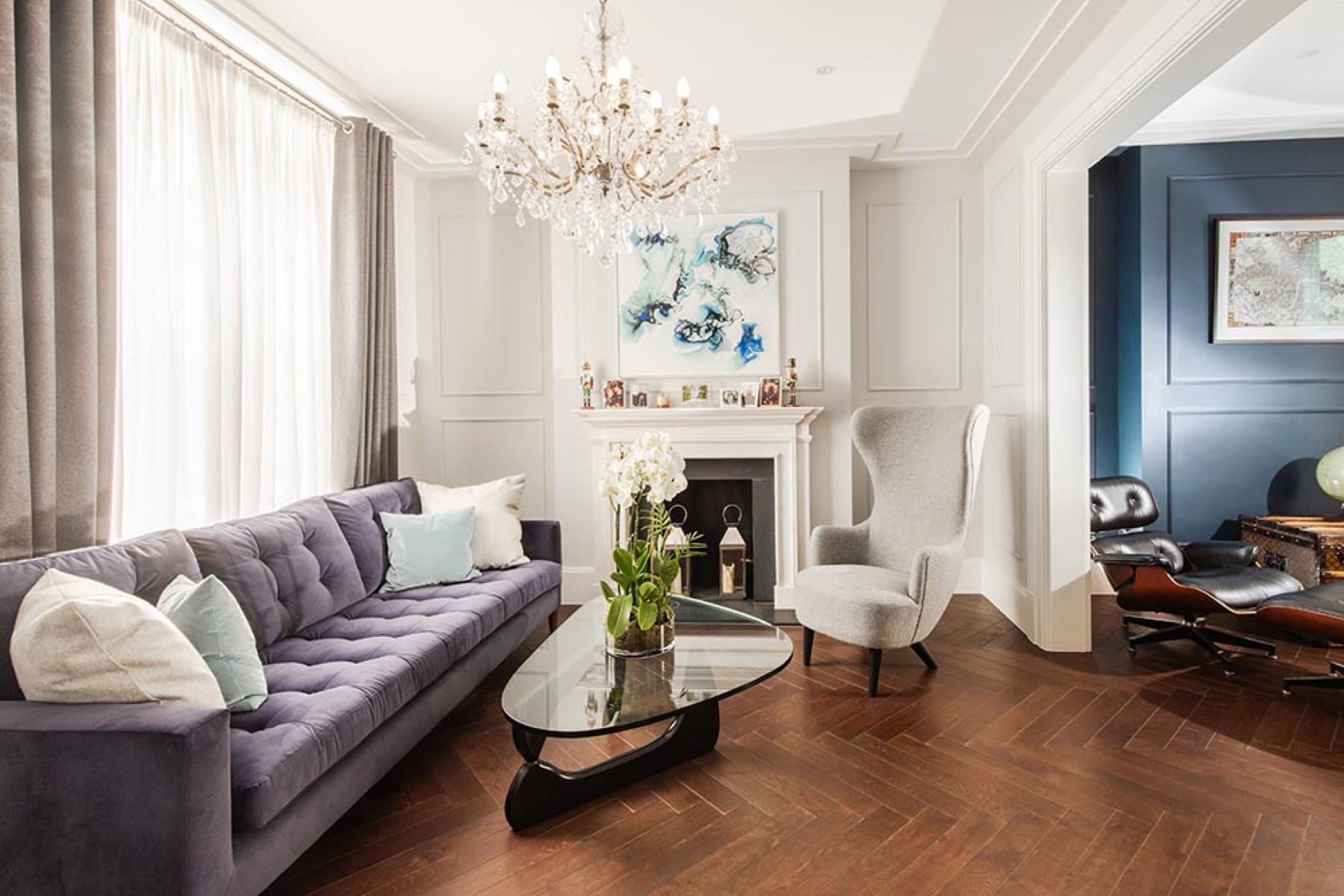
Yes. We repair and restore period features such as cornicing, ceiling roses, shutters and sash windows wherever we can, and plan new services around them so they are not lost. On our own projects that has meant restoring the original wood and marble floors of a two-storey apartment on Park Lane overlooking Hyde Park, and bringing an old-style kitchen dumbwaiter back into use at St Germans Place in Blackheath, alongside reclaimed herringbone flooring sanded and varnished. On Kensington High Street, the original mosaic floor of a former bank was restored and kept as a design feature of its new restaurant, and at Borough High Street we completed the facade restoration and supplied the windows and joinery.
Why old buildings need a different approach
Most Victorian and older houses have solid brick walls laid in lime mortar, which manage moisture by letting it evaporate. Hard cement pointing, cement renders and impermeable paints can trap that moisture and cause the damp they were meant to cure, so repairs should work with the original materials rather than against them. Timber floors and roofs were sized for the loads of their day, and a new bathroom, a stone worktop or a loft room above them needs the structure checked and often strengthened. Our design and build of a Victorian townhouse on Margaretta Terrace in Chelsea included structural reinforcement for exactly this reason. Insulation, ventilation and new services are all possible in an old house, but they are specified for how the building actually behaves, not copied from a new build.
Extending and converting a period home
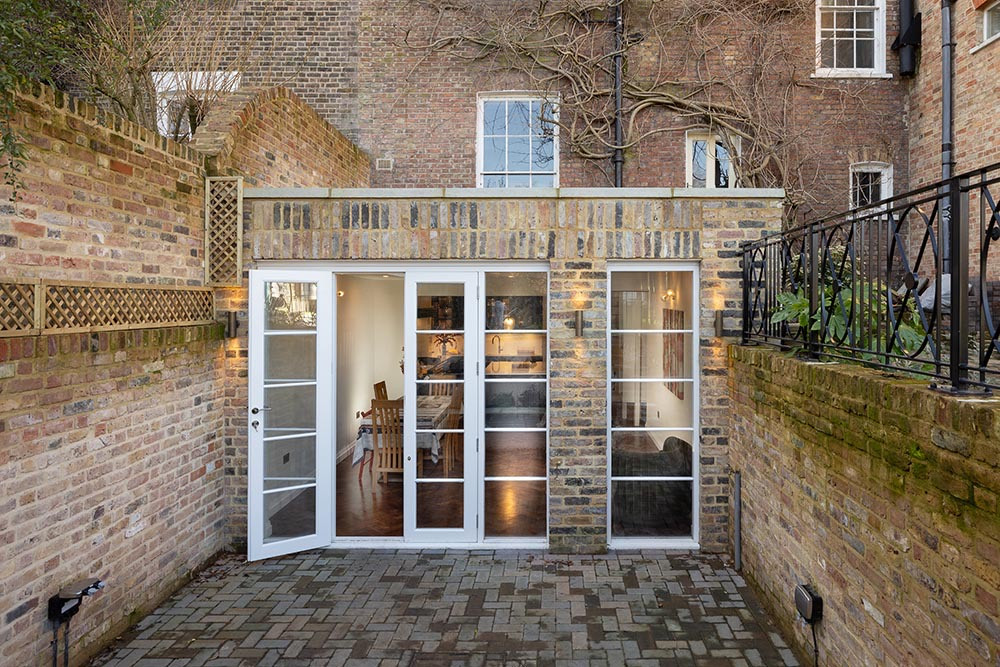
A period house can often take a loft conversion or an extension, provided the design respects its proportions and its setting. Mansards are common on the terraces of Pimlico and Chelsea because they suit the valley roofs hidden behind the parapets there. At the back of the house, a clearly glazed addition often gains consent more readily than a pastiche one, because it reads as reversible and keeps the original building legible. At St Germans Place in Blackheath, our rear extension created additional space for the kitchen, with Velux skylights and traditional style wooden doors opening onto a new patio. In a terrace, party wall matters are normal, and the notice periods belong in the programme from the start, not as an afterthought.
How much does period and listed renovation cost in London?
From real London projects priced in August 2026, all ex VAT and indicative rather than a quotation: a full house refurbishment at a high standard runs from roughly £1,400 to £2,000 per square metre. A whole house project of around 310 m² came to around £570,000, roughly £1,600 per square metre, and a full rewire of a large house of around 165 m² priced at around £39,000. Treat those as the baseline. Period fabric, conservation areas and listed status add cost wherever the house stands, because the right way to work on old buildings takes time and skill, and what is found when an old house is opened up is priced when it is found. Our figures are calibrated to inner west London, and prime central projects often price 8 to 25 percent above them. The instant estimator on this site prices your own project from your description and sends a realistic range to your inbox in minutes.
How long does a period renovation take?
It depends on the scope and on the consents. Listed building consent can add time before work starts, and listed or period properties usually need more time on site for careful detailing. As a guide from our own projects, the design and build of a Victorian townhouse on Margaretta Terrace in Chelsea took five months, a Victorian refurbishment at Balniel Gate in Pimlico took four, and the complete interior design and build of a 450 square metre Victorian house on Ellerby Street in Fulham took six. We set out a realistic programme in our proposal rather than an optimistic one, and manage it with one team throughout.
One accountable team, from survey to handover
On an old house the survey, the consents, the drawings and the site work all depend on each other, which is where one accountable team earns its place. MVV is a design and build contractor with a team of 35 people across design, build and project management, working from our office in Chiswick. We carry out work on period properties and listed buildings and coordinate the additional approvals and specialist detailing these projects require, and we work alongside architects and contract administrators where a project already has them. Our bespoke joinery covers doors and windows, staircases, cabinetry and shelving, so new work can be made to sit with the old, as with the deep blue library at Margaretta Terrace. We carry £10M public and employers' liability cover. To start, use the instant estimator for a realistic range, or talk to us about a site visit and a fully costed proposal.
Period & Listed Renovation across London
- Fulham
- Chelsea
- Notting Hill
- Chiswick
- Wimbledon
- Pimlico
- Belsize Park
- Hampstead
- Mayfair
- Marylebone
- Blackheath
- Borough
- Kensington
- Streatham
- St John's Wood
- Maida Vale
- Little Venice
- Regent's Park
- Primrose Hill
- West Hampstead
- Fitzrovia
- Bloomsbury
- Covent Garden
- Soho
- St James's
- Westminster
- Belgravia
- Knightsbridge
- Bayswater
- Paddington
- Clerkenwell
- Holland Park
- South Kensington
- Earl's Court
- Sevenoaks
Thinking about period & listed renovation? Get a realistic number in minutes.
Instant estimateRead before you start
Guides on this work
Straight answers on cost, planning and process, written from our own priced projects.
- Loft Conversions in Victorian HousesRead
- How much does a house refurbishment cost in London in 2026?Read
- Planning Your Victorian Kitchen ExtensionRead
- Party Wall Agreements, Explained Without the FearRead
- Glass Extensions: Costs, Planning and Whether They Are Worth ItRead
- Rear Extension or Side Return: Which Is Right for Your London Home?Read
Related projects
Where this work comes to life
A selection of completed MVV projects delivered with this service.