See your room before you paint: a guide to the Colour Room
· 5 min read
Choosing a colour is hard because a paint card is tiny and a room is not. The walls meet the woodwork, the floor, the curtains and the sofa, and the whole thing changes with the light. A colour that looked perfect on the card can look quite different on four walls.
The Colour Room is a free tool from our design and build team, made to help with exactly that. You set up a room like yours, choose a main colour, and see it dressed three ways, in morning or evening light. Then you keep a mood board, with a measured plan and a kit that lists everything the room is built from. There is nothing to sign up for. Here is how it works, and how to get the most from it.
Steps 1 and 2: the room and the furniture
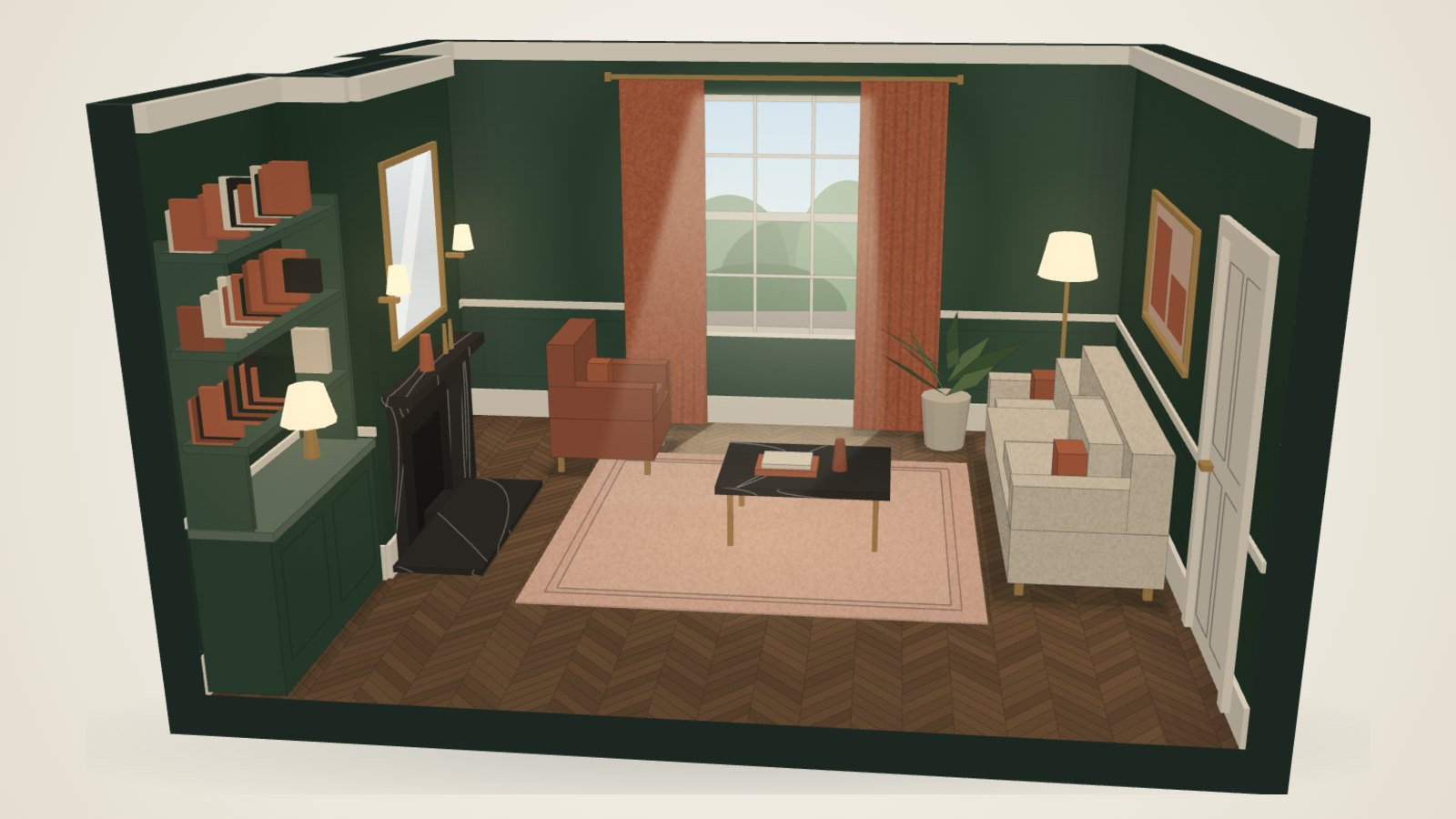
The Colour Room draws a classic London reception room live, in 3D, and you can turn it to look around. Make it yours first:
- Period or contemporary: cornicing, panelling and sash windows, or clean lines, wide boards and big windows.
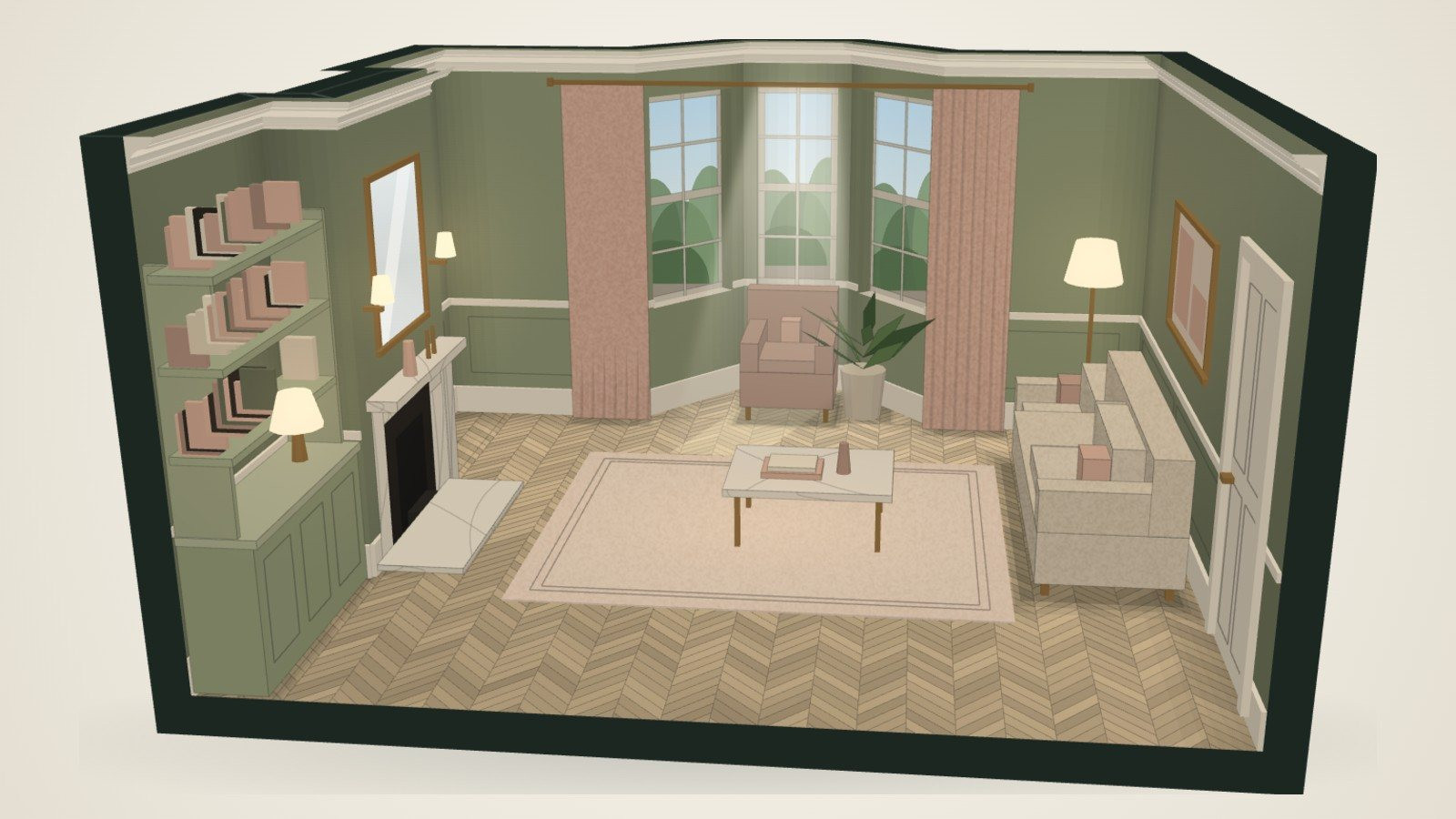
- The shape: a rectangle, an L-shaped room, or a room with a bay.
- The size: the width, the depth and the ceiling height, to your own measurements.
- The fireplace wall: with a chimney breast, or with built-in furniture, panelling or a plain wall instead.
- The door: on any wall with room for one, slid along it to where yours is, and opened either way.
Then furnish it, or leave it empty. Choose a sofa, armchairs, a coffee table and a rug, add a floor lamp, a sideboard, a desk, a TV unit or a dining table, and move any of them on the plan. If a piece has no room, the page tells you, which gives a feel for how much a room of your size can hold.
Steps 3 and 4: your colour and the scheme
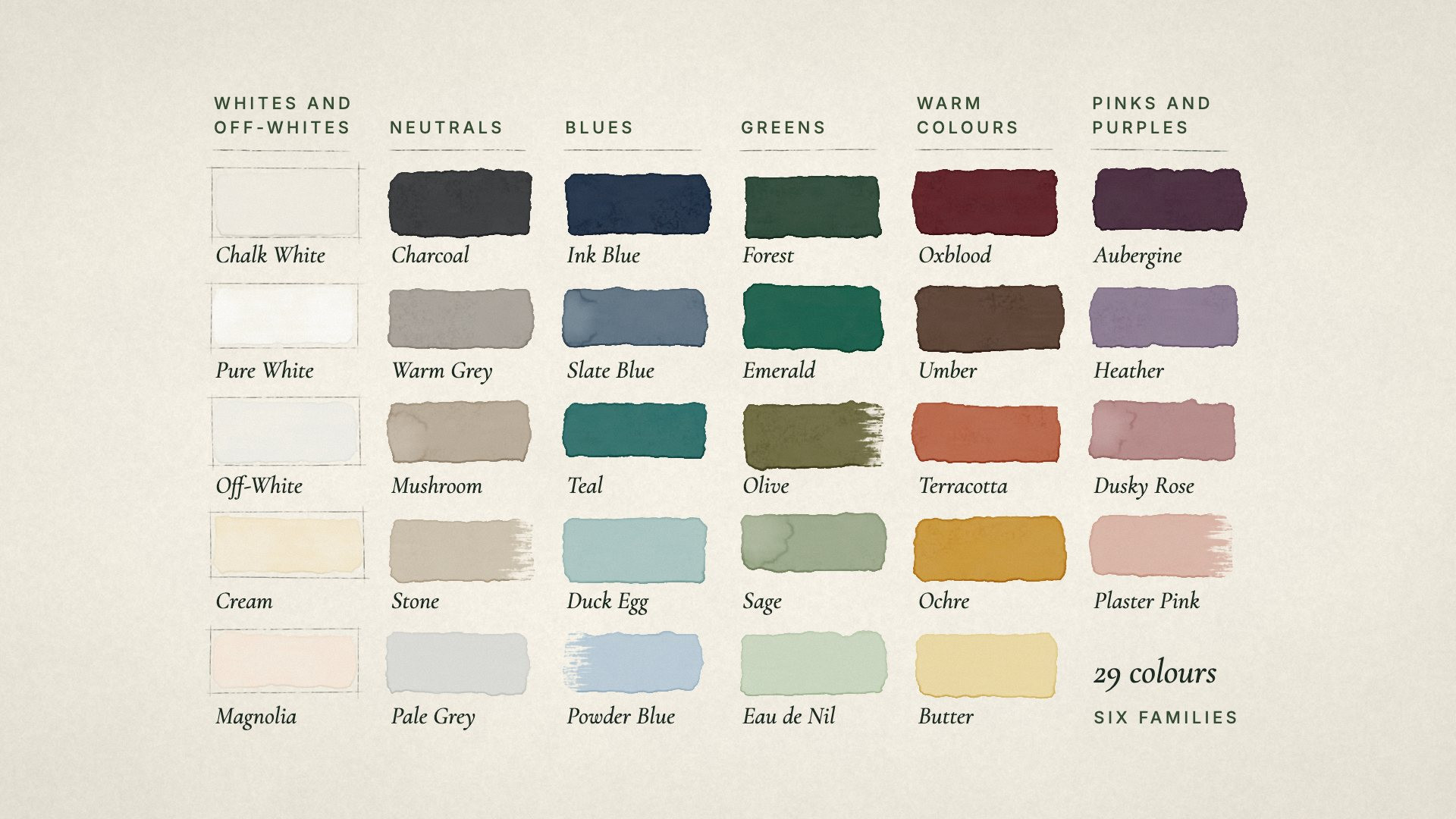
There are twenty-nine main colours in six families, from the everyday whites and off-whites to deep greens, warm earth colours and plums. Most can be made a shade paler or deeper, and each comes with three partner colours, with a line on why each one works. Our guide to colour combinations for London homes sets them all out.
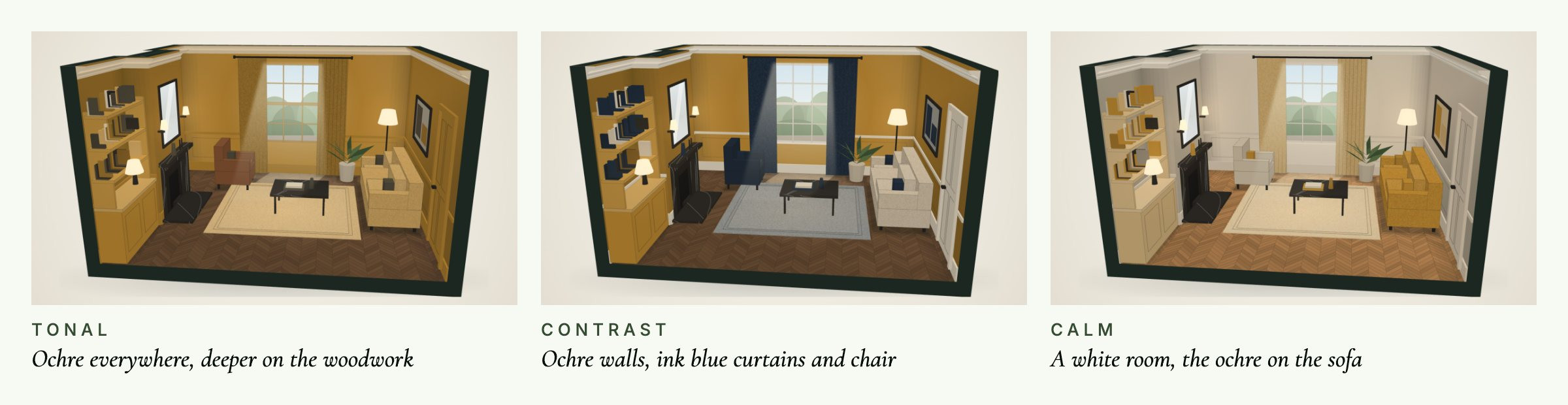
Every colour then dresses the room in three schemes:
- Tonal: the colour everywhere, in deeper and paler versions of itself.
- Contrast: the colour on the walls, with its partner on the curtains, a chair and the cushions.
- Calm: a white room, with the colour kept to the sofa and the joinery.
The scheme sets every surface, from the walls to the rug and the metal, and you can change any one of them. Point at a colour in the palette to see where it goes in the room.
Steps 5 and 6: the light and the lighting
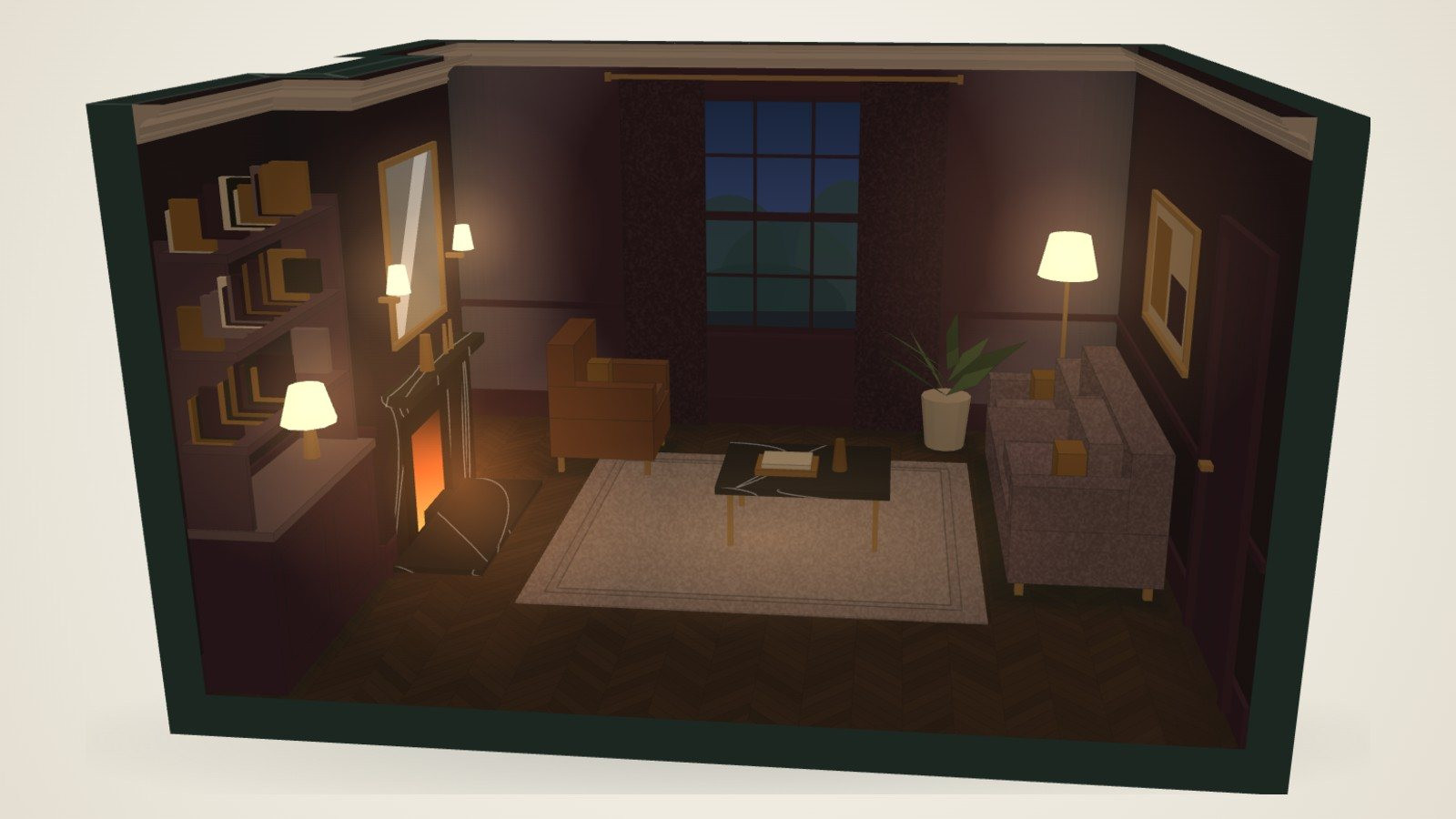
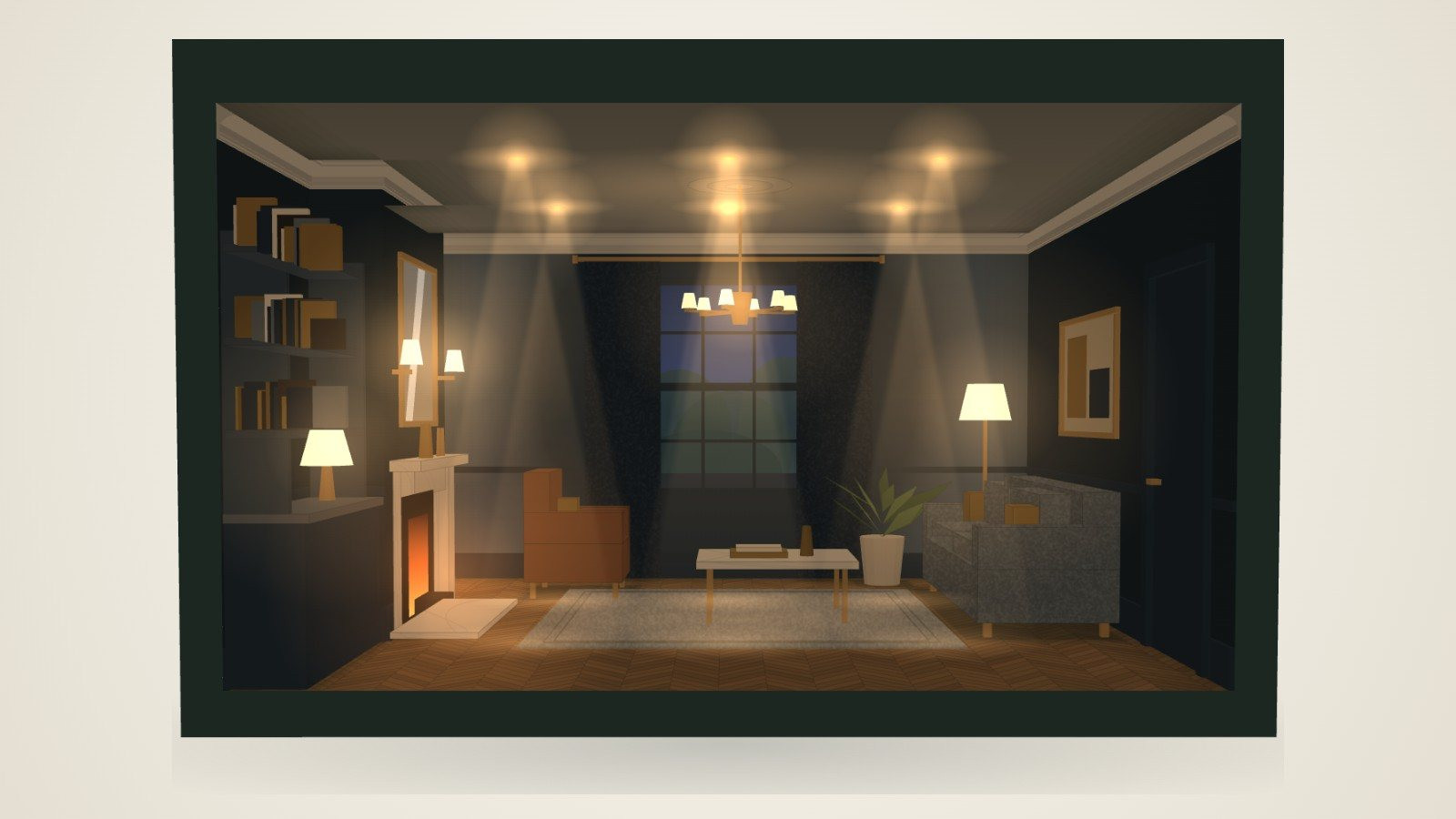
The same colour looks different in a north or a south facing room, and different again after dark. Switch between the two, and between morning and evening, to see how your scheme holds up. Our guide to north and south facing rooms explains why.
Then light it as you would at home. Choose the ceiling lights: a pendant or a chandelier, with or without downlights, or downlights alone. Switch the lamps on or off, and in a period room with a chimney breast, keep the wall lights either side of it or take them out. Set the colour of the light, warm, soft white or cool, and dim it. The section view shows the ceiling and its light. Our guide to lighting a living room covers how to plan it.
Step 7: the details
Last come the details that decide the character of a room: four panel, three panel or plain doors; torus, ogee, square or shadow gap skirting; coving, from a plain cove to a Victorian cornice or a crisp shadow gap; and a floor of herringbone, planks or tiles, in a choice of timbers, stones and finishes. Our guide to coving, cornice, skirting and doors explains what suits which house.
Your mood board and the kit
When the room looks right, download the mood board. It is three pages:
- The room itself, with its palette.
- The plan, measured, with the furniture where you put it.
- The kit: everything the room is built from, grouped the way a builder reads a schedule. The colours and finishes, the doors, skirting and coving, the floor, the fireplace, the lighting and the furniture.
The kit names no brands and no prices. It is a starting specification, and our designers confirm every line with you, paints included, if you take it further. Every choice is also kept in the page's address, so you can bookmark your room or send it to someone.
Getting the most from it
- Use your own measurements. A colour that suits a large room can overwhelm a small one, and the furniture will only fit if the room is the right size.
- Set the light to match your room, and look at it in the evening too. That is when most living rooms are used.
- Unsure about a colour? Start with the calm scheme. The colour stays on the sofa and the joinery, and it is the easiest scheme to change later.
- Try the details together. A deep cornice, a torus skirting and four panel doors make a room feel period; a shadow gap and plain doors make it contemporary.
From the screen to your room
Every screen shows colour a little differently, so treat the Colour Room as a way to choose a direction, not a final colour. Before you commit, paint large samples on two walls and look at them in the morning and the evening, next to your floor and fabrics.
When you are ready, bring your mood board to a free consultation. Our interior design team matches every colour to your own light and chooses the paints, fabrics and finishes with you, and our design and build team builds it. If your plans go further than decorating, the Design Studio also has a free estimate for an extension, loft conversion or refurbishment.
Good to know
Frequently asked questions
- Is the Colour Room free?
- Yes. It is free to use, there is nothing to sign up for, and the mood board downloads straight away.
- Can I use the measurements of my own room?
- Yes. Set the width, the depth and the ceiling height, choose a rectangle, an L-shaped room or a room with a bay, say whether it has a chimney breast, which the Colour Room places on the left wall, and put the door where yours is.
- Are the colours real paints?
- They are classic colours with our own names, not one manufacturer's range. If you take your scheme further, our designers match each one to real paints, with samples, in your own light.
- What is in the mood board?
- Three pages: the room with its palette, the plan with your furniture, and the kit, which lists everything the room is built from, from the paint finishes and the doors to the floor and the lighting. It names no brands and no prices.
- Can I save or share my design?
- Yes. Every choice is kept in the page's address, so you can bookmark it or send the link to someone, and they will see the same room.
- Does it work on a phone?
- Yes. Swipe to look around the room, and use the plan to move the furniture and the door.