Colour drenching: when to paint the walls, woodwork and ceiling one colour
· 3 min read
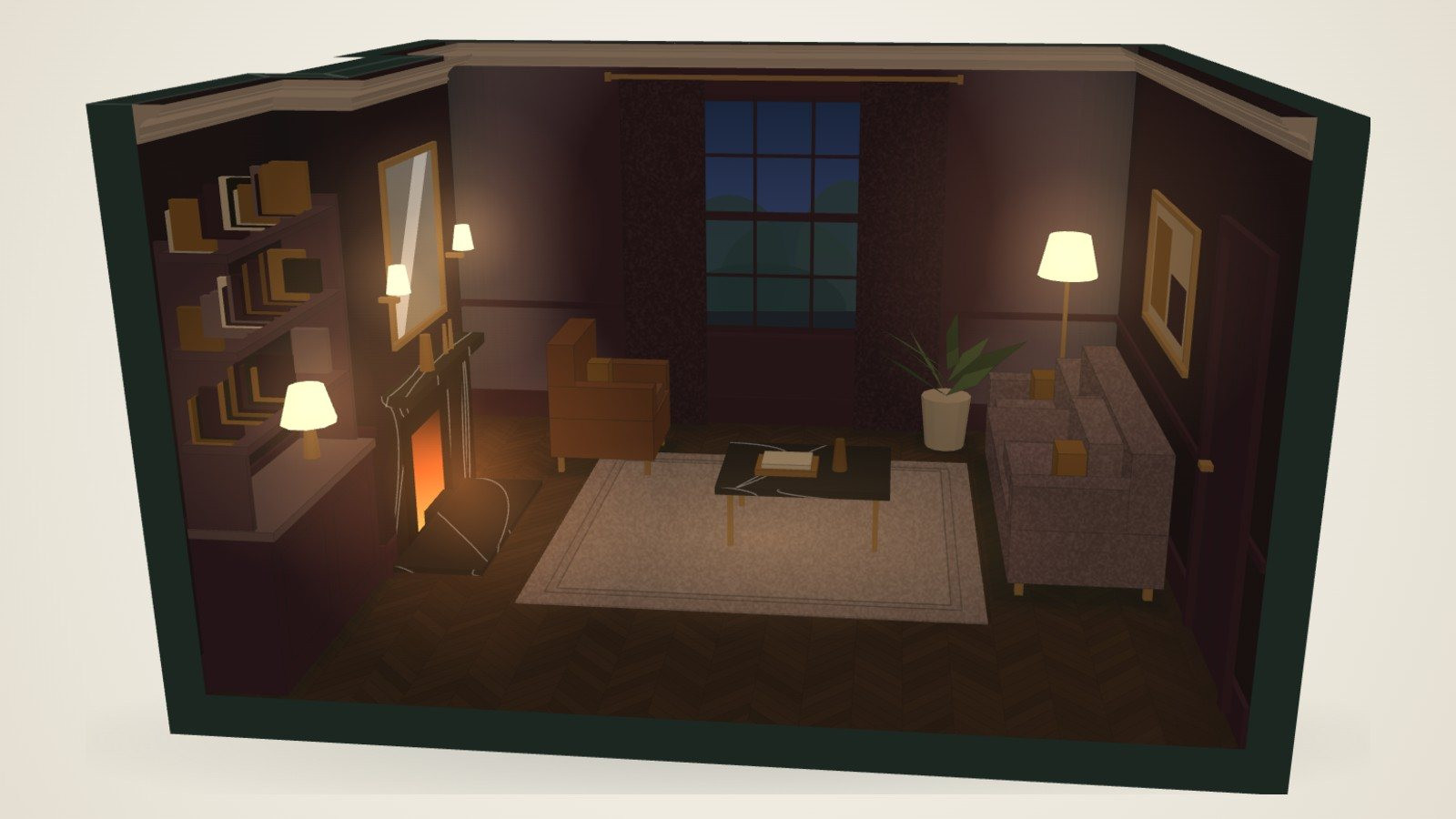
Colour drenching means painting the walls, the woodwork and often the ceiling in one colour, sometimes the radiators and the joinery too. Instead of a white frame around every wall, the room reads as a single colour, and its edges blur.
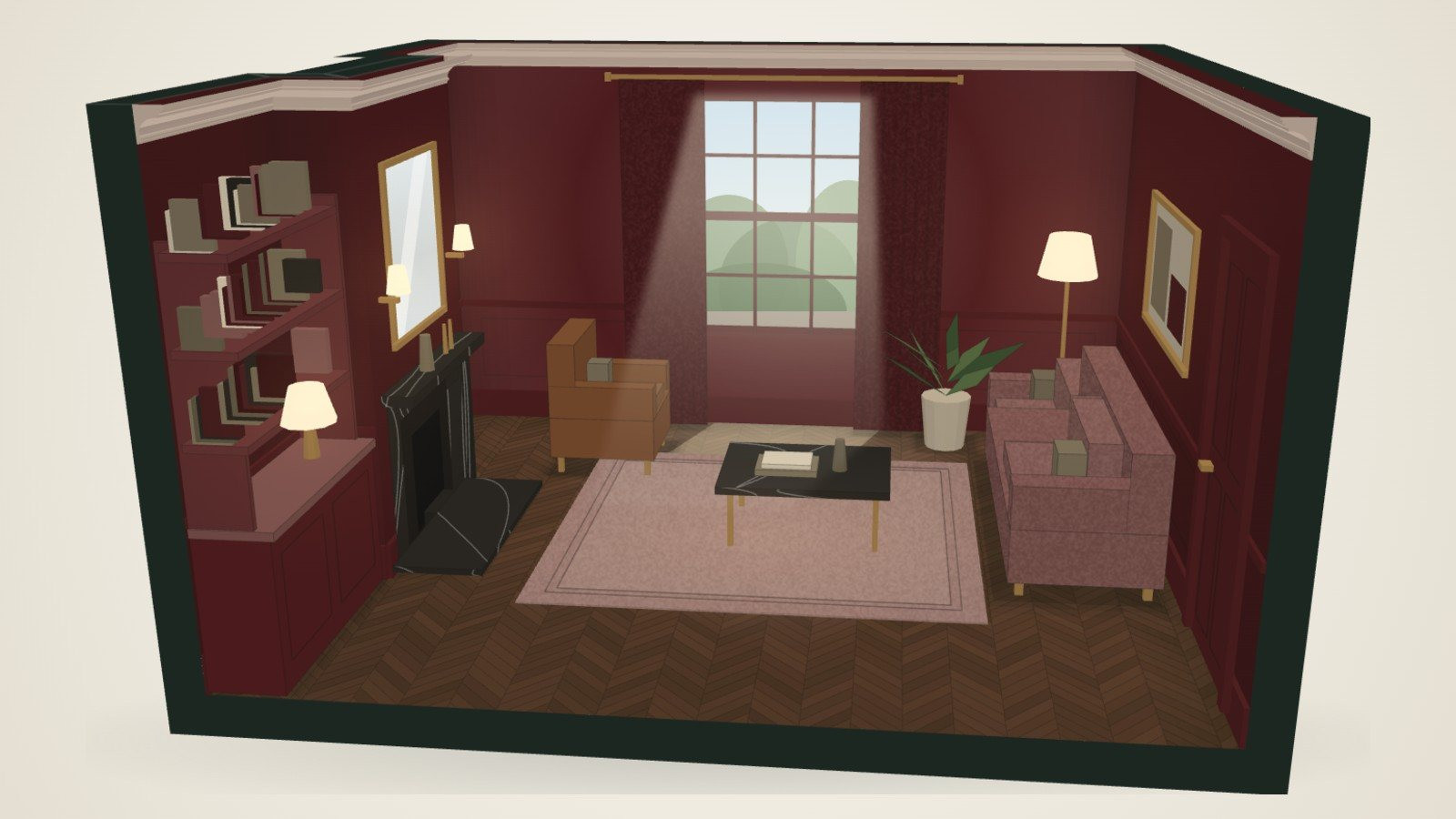
It can make a small room feel larger, a large room feel intimate, and a period room feel calm. Here is where it works, which colours suit it, and how to finish it well. You can see a drenched room, in any of twenty-nine colours, in the tonal scheme in the Colour Room.
Why it works
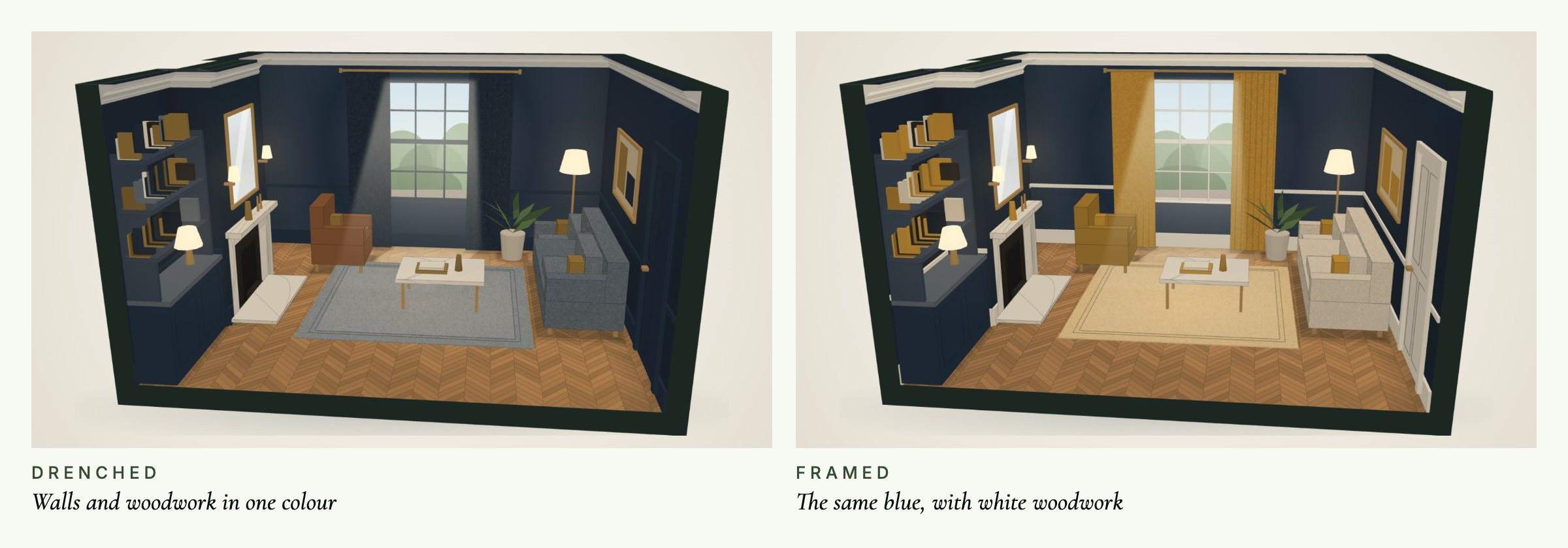
White woodwork draws a line round every door, window and skirting board. In a room with a lot of them, that is a lot of lines. Painting them the same colour as the walls removes them, so the eye settles on the proportions of the room, the furniture and the view rather than the frames.
- Small rooms can feel larger, because the corners and edges recede.
- Awkward rooms, with odd angles, boxed pipes or low ceilings, look calmer.
- Deep colours feel enveloping rather than dark when they wrap the whole room.
Which colours suit it
Almost any colour can be drenched, but the effect changes with depth:
- Deep colours such as ink blue, forest green and oxblood make a cocooning snug, library or dining room.
- Mid tones such as sage, warm grey or mushroom make a calm, tailored living room.
- Soft colours such as plaster pink or duck egg make a gentle bedroom or a light hallway.
A drenched room still needs contrast somewhere, usually in the floor, the fabrics and the metal. Warm oak, marble and brass stop a deep colour feeling flat.
How to finish a drenched room
A drenched room looks best when the finish is considered:
- Use a different sheen on the woodwork. Matt on the walls and eggshell on the skirting, doors and windows keeps a quiet definition and is easier to clean.
- Choose a slightly deeper or paler version for the ceiling if one colour everywhere feels too much. A paler ceiling lifts a low room.
- Paint the joinery too. Built-in shelving and cupboards in the wall colour look like part of the architecture, not furniture. Our guide to bespoke joinery covers where it earns its place.
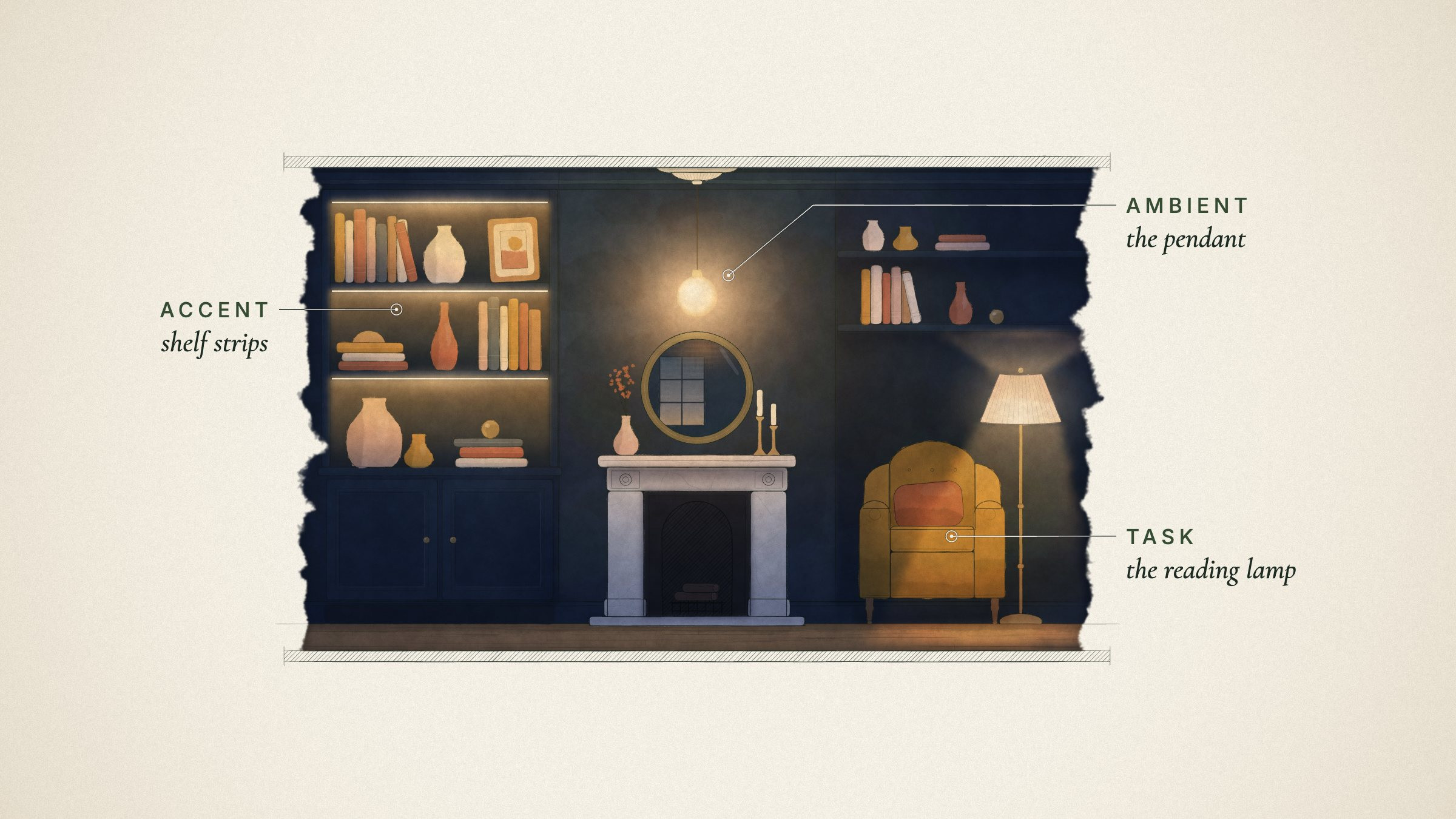
- Plan the lighting. Deep colours absorb light, so a drenched room needs lamps at several heights, warm white bulbs around 2700K, and dimmers.
Where it works best
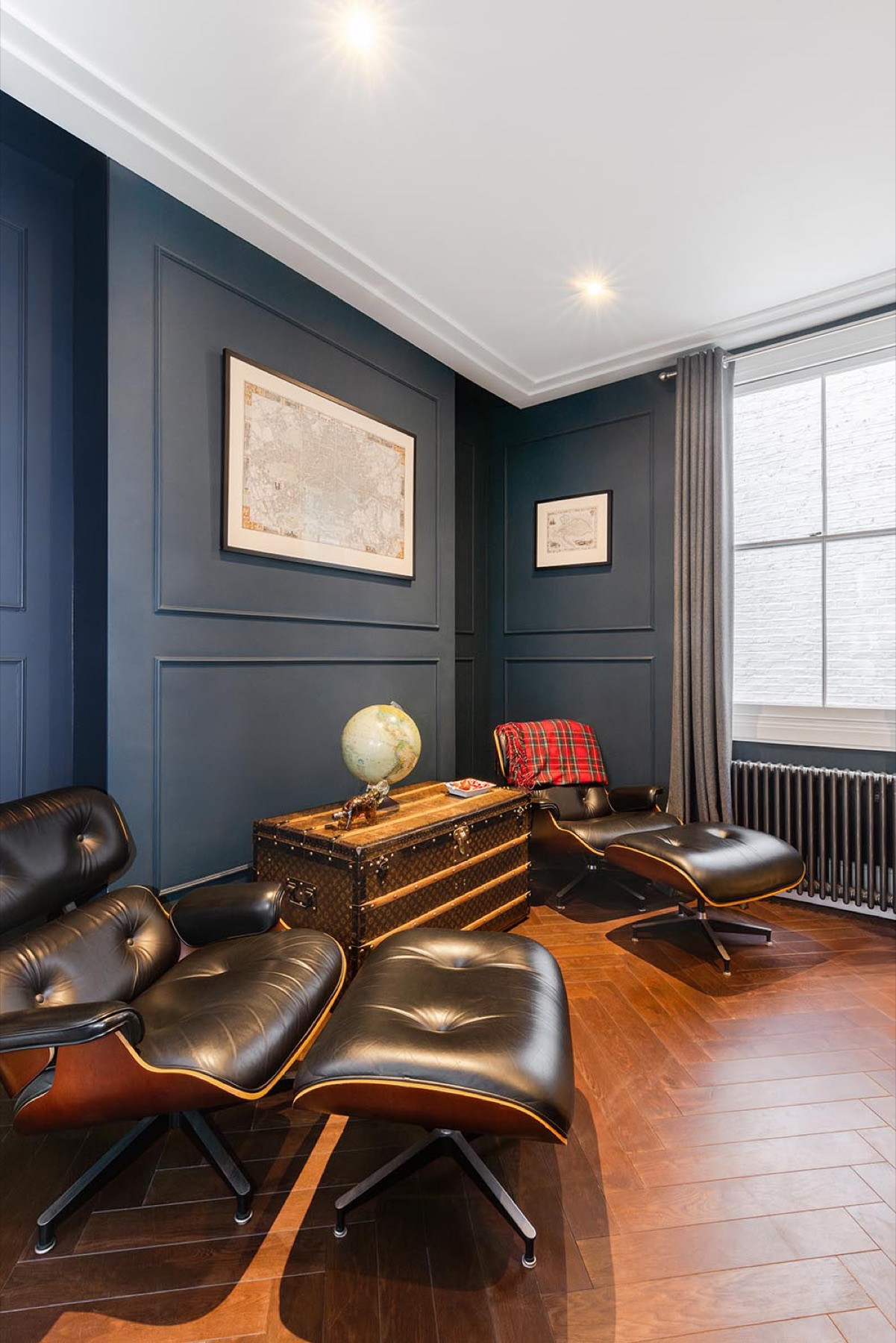
- Snugs, libraries and dining rooms, where a deep colour feels intimate in the evening. At Margaretta Terrace in Chelsea, the library shared with the living room is a gentler version: the walls, the panelling and the bookshelves are deep blue, while the ceiling, the cornice and the skirting stay white.
- Hallways and landings, where drenching the doors and skirting makes a narrow space feel calm.
- Bedrooms, in softer colours, for a restful room.
- Small rooms and cloakrooms, where a bold colour is a pleasure rather than a risk.
It is less suited to a room you want to feel bright and busy in daylight, such as a family kitchen, unless you choose a pale colour.
Testing before you commit
A whole room in one colour is a bigger commitment than an accent wall, so test it properly:
- Paint large samples on the wall and on a piece of skirting or a door.
- Look at them in the morning and the evening, with the lamps on.
- Consider the light: our guide to north and south facing rooms explains how it changes colour.
If you would like help, our interior design team chooses the colours and finishes with you, and our design and build team builds the room.
Good to know
Frequently asked questions
- What is colour drenching?
- Painting the walls, the woodwork and often the ceiling in one colour, sometimes the radiators and joinery too, so the room reads as a single colour and its edges blur.
- Does colour drenching make a room look smaller?
- Usually the opposite. With no white frames around the doors, windows and skirting, the corners recede and a small room can feel larger. Deep colours make a room feel more intimate, which is often the point.
- Should the ceiling be the same colour?
- It can be, for the full effect. If one colour everywhere feels too much, use a slightly paler version on the ceiling, which also lifts a low room.
- What finish should the woodwork be?
- A slightly higher sheen than the walls, such as eggshell on the woodwork with matt on the walls. It keeps a quiet definition and is easier to clean.
- Which rooms suit colour drenching?
- Snugs, libraries, dining rooms, hallways, bedrooms and small rooms such as a cloakroom. It is less suited to a room you want bright and busy in daylight, unless you choose a pale colour.