
How Much Value Does an Extension or Loft Conversion Add in London?
· 7 min read
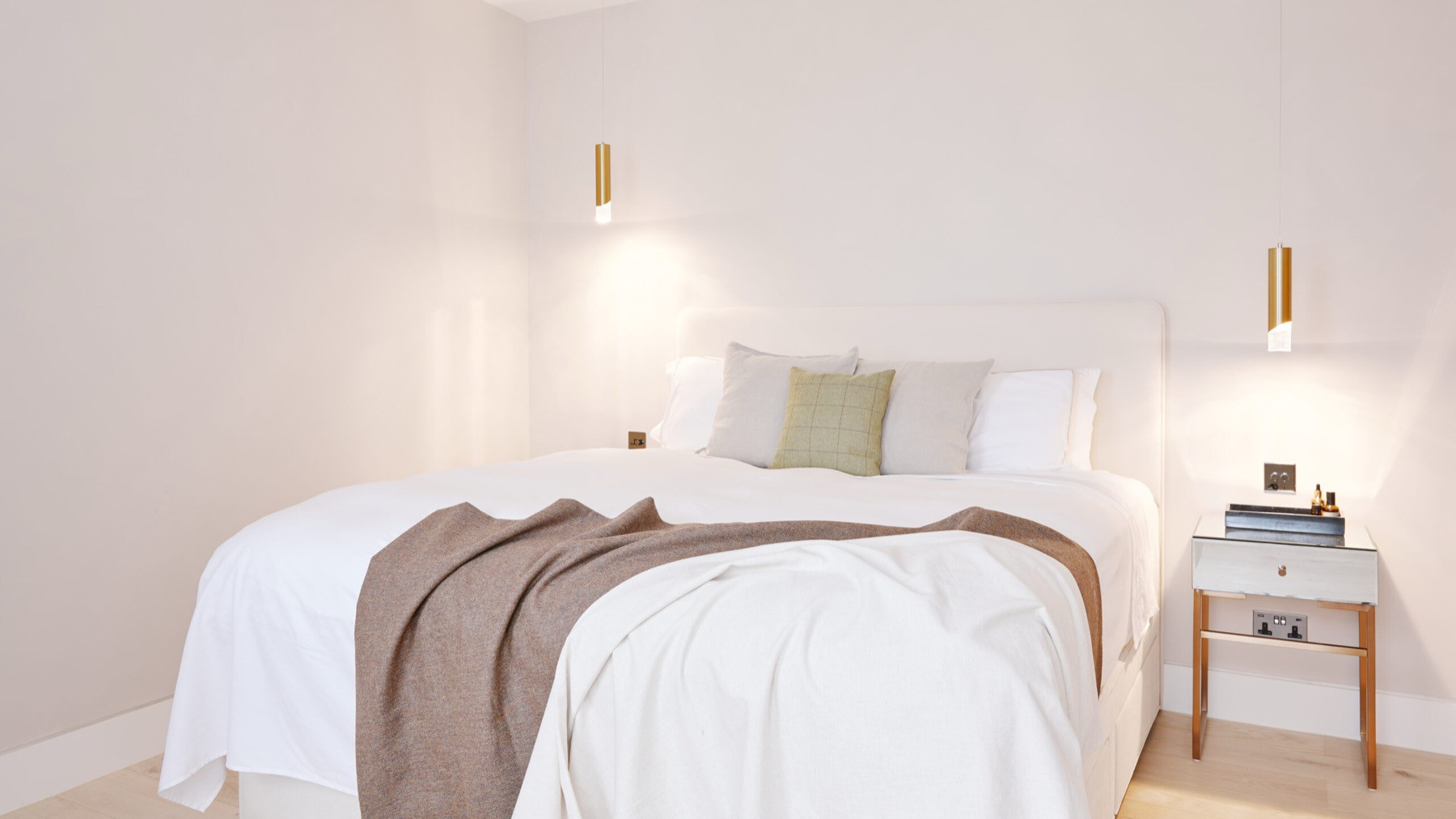
A loft conversion or extension that adds a large double bedroom and a bathroom can add as much as 24% to the value of a three bedroom, one bathroom house, according to Nationwide's October 2025 research. By contrast, 10% more floor space on its own adds 5%. What the new space contains matters more than its size.
Whether that covers the cost in London turns on three things: your street's ceiling price, what the space adds, and the full cost of the work. London average prices fell 3.3% in the year to July 2026, according to the provisional UK House Price Index published in September 2026, so any uplift is a share of a moving price, not a fixed sum.
How much value an extension or loft adds: the research
Nationwide, the building society, publishes a periodic analysis of what adds value to a home, modelled on the prices paid across its own mortgage lending. Its October 2025 report, using data from October 2024 to September 2025, found that:
- A loft conversion or extension adding a large double bedroom and a bathroom can add as much as 24% to the value of a three bedroom, one bathroom house. The study assumes 28 m² of extra floor area.
- Adding space for an extra double bedroom can add 13% to the value of a two bedroom house, assuming a bedroom of 13 m².
- A 10% increase in floor space, all else equal, adds 5% to the price of a typical house.
- Adding floor area for a third bedroom can add 13% to a terraced house, 14% to a semi detached and 17% to a detached one, and for a fourth, 10%, 10% and 13%.
Nationwide's most recent bathroom figure, from its 2023 report, is that an extra bathroom can add 6% to the value of the average house.
Four limits apply:
- The figures are national. Nationwide gives no London breakdown.
- They are modelled, all else equal, and the headline is an upper figure. None of them is a valuation.
- The model leaves out gardens, as the 2023 report states, and the 2025 method lists no garden factor, so a rear extension that uses garden carries a cost the percentages do not measure.
- The figures are for houses, not flats.
Loft conversion or extension: which adds more value?
Nationwide's reading is that additional bedrooms are the key to adding value, provided the room is usable. For common London projects:
- A loft conversion usually adds what the research rewards, a bedroom and often a shower room, and nearly every London loft adds an en suite.
- A single storey kitchen extension counts mainly as extra floor area, which moves value less than a bedroom.
- A two storey side return can do both, a larger kitchen below and a bedroom with a shower room above, as our rear extension and side return comparison explains.
- A kitchen or bathroom renovation is worth doing for how you live, but Nationwide says it cannot identify the value of either.
- A basement pays only where the space is worth clearly more than it costs to create, which is why basements concentrate in high value postcodes.
- A separated conservatory adds less than an orangery or extension, because buyers discount rooms they cannot comfortably use in winter.
Usable is the operative word. A loft bedroom needs usable standing height, a permanent stair rather than a pull down ladder, and building control sign off. Keep the completion certificate with the deeds, because a buyer's solicitor will ask for it.
Does an extension or loft conversion pay for itself?
Value only helps if it clears the cost. From real London projects we priced in August 2026, all indicative rather than a quotation and excluding VAT:
- A loft conversion of around 28 m², typically a bedroom and shower room: around £92,000, the same 28 m² Nationwide assumes for its 24% figure.
- Most London loft conversions: £90,000 to £115,000, roughly £3,300 per square metre of finished space.
- A two storey side return adding a kitchen extension with a bedroom and shower room above, around 48 m² of new floor area: around £188,000.
- New extension space at a high standard of finish: £2,400 to £2,800 per square metre, before professional fees.
Our figures are calibrated to inner west London. VAT at 20% comes on top, and professional fees, planning, party wall and building control also need a budget.
For a loft or a bedroom extension, divide the full cost by the percentage uplift you expect: the answer is what your house must already be worth for the work to pay for itself. Nationwide's 24% is an upper, national figure, so a smaller uplift raises that bar.
For plain floor area, the research implies each extra square metre adds about half the house's average value per square metre. Divide recent sale prices of similar nearby houses by their floor area, shown on their energy certificates on gov.uk, and halve it. If that is not comfortably above the build cost per square metre with VAT, floor area alone will not pay for itself.
The conversion type moves loft costs too: rooflight conversions sit lowest, dormers in the middle, and mansard or hip to gable conversions at the top. Our loft conversion cost guide and house extension cost guide set out the fuller figures, and the instant estimator prices your own project in minutes.
How to check the value on your own street
The research gives the direction. Your street gives the answer. Run three checks:
- Find the ceiling. HM Land Registry's free Search sold property prices service on gov.uk shows what homes have sold for, and your council's planning register shows which neighbours have applied to extend or convert. Note the highest prices for extended houses like yours, and weight recent sales most, since London prices have fallen over the past year. A house that would need to sell above anything the street has achieved is unlikely to recover every pound spent.
- Name what the space adds. A bedroom and a bathroom are what the research rewards most; a bigger kitchen counts mainly as floor area.
- Compare the full cost with the gap. Set the cost including VAT, fees, planning, party wall and building control against the gap between your house's value now and the ceiling, and ask a local estate agent to value the finished house.
If the sums are close, value alone is a thin reason to build. A Censuswide survey of 2,000 homeowners for the same Nationwide report found that, among those who had renovated in the last five years, 35% were looking to boost value and just 7% were preparing for a sale. Moving has costs that buy no space: at the standard rates, stamp duty on a £1,000,000 home is £43,750, before agents' and legal fees.
Will an extension put your council tax up?
Not straight away. Under section 24 of the Local Government Finance Act 1992, a band in England cannot be raised because building work has increased a home's value until the property is next sold or there is a general revaluation, as HMRC's Valuation Office explains.
- Bands in England are still based on values at 1 April 1991, and Band H, the top band, covers anything above £320,000 at 1991 prices, so a house already in it cannot move up.
- A self contained annexe is the exception. By law, separate living accommodation must have its own band, and the Valuation Office can band it without a sale, which can mean a second council tax bill unless a discount or exemption applies.
- The government has also proposed a High Value Council Tax Surcharge from April 2028 on homes in England worth £2 million or more in 2026. A home significantly improved after it starts, for example by a large extension, would be revalued at the next sale or revaluation, whichever is sooner. It is a proposal, not yet law.
Designed and built as one team
MVV designs and builds lofts and extensions across South West, West and South East London, including the space the research rewards: a loft conversion at Seven Oak in Chiswick that added a bedroom, a bathroom and a study area; a loft conversion at Woodside in Wimbledon that created three new bedrooms and two bathrooms; and a double storey extension at Milford Mews in Streatham with an open plan living room below and a principal bedroom suite above. See our loft conversion and house extension services, or talk to us about your house.

Good to know
Frequently asked questions
- How much value does a loft conversion add in London?
- Up to 24% nationally, if it adds a large double bedroom and a bathroom to a three bedroom, one bathroom house, according to Nationwide's October 2025 research. Nationwide's research gives no London figure, so what your loft adds depends on the ceiling price of your street and on what the new floor contains.
- How much value does an extension add to a house in London?
- Nationally, Nationwide's October 2025 research found that 10% more floor space adds 5% to a typical house, an extra double bedroom can add 13% to a two bedroom house, and a bedroom with a bathroom can add as much as 24% to a three bedroom, one bathroom house. Nationwide gives no London figure, so the ceiling price of your street decides it.
- Does a loft conversion pay for itself?
- Sometimes, but not automatically. From projects we priced in August 2026, a loft of around 28 m² forming a bedroom and shower room came to around £92,000 ex VAT, with VAT at 20% on top and professional fees, planning and building control to budget as well. Whether the uplift exceeds the full cost depends on your house and the ceiling price of your street. These figures are indicative, not a quotation.
- Does adding a bathroom add value?
- Nationwide's 2023 report found that an extra bathroom can add 6% to the value of the average house. Its October 2025 report does not give a figure for a bathroom on its own, so treat 6% as a 2023 national estimate rather than a current London one.
- Will my council tax band go up after an extension?
- Not straight away. In England, under section 24 of the Local Government Finance Act 1992, a band cannot be raised because of building work until the house is next sold or there is a general revaluation, and it only rises if the improved house, valued at 1991 prices, falls in a higher band. A self contained annexe is the exception: it gets its own band, without waiting for a sale. Separately, the government has proposed a council tax surcharge from April 2028 on homes in England worth £2 million or more; it is a proposal, not yet law.
- How do I find the ceiling price for my street?
- Use HM Land Registry's free Search sold property prices service on gov.uk, which shows what homes sold for by address, and your council's planning register to see which neighbours have extended or converted. Give more weight to recent sales, and ask a local estate agent what the finished house would sell for.

